7 Tips About Robot Vacuum Cleaners That Nobody Can Tell You
Understanding Robot Vacuum Cleaners: A Comprehensive Guide
As busy lifestyles become the standard, domestic tasks often take a back seat to expert and social dedications. Enter robot vacuum, gadgets designed to automate the tiresome job of keeping floorings devoid of dust and debris. This guide checks out the technology, benefits, types, purchasing factors to consider, and upkeep of robot vacuum cleaners.
What are Robot Vacuum Cleaners?
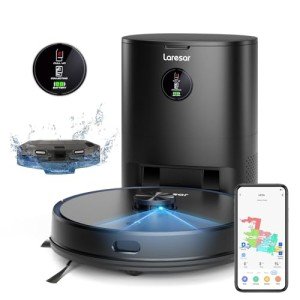
Robot vacuum are smart devices that autonomously navigate through homes to clean floors. Equipped with sensors, cams, and AI technology, these devices can map out the layout of a home, find challenges, and efficiently tidy various surface area types, from wood to carpet. This innovative appliance represents a substantial advancement in home cleaning innovation.
Secret Features of Robot Vacuum Cleaners
Robot vacuum come equipped with a number of essential features:
Feature
Description
Navigation Technology
Uses sensors and cams to produce a map of the cleaning area.
Floor Type Compatibility
Developed to tidy various surface areas, consisting of carpets, tiles, and hardwood floorings.
Battery Life
Differs by model; normally lasts in between 60 to 120 minutes per charge.
Dustbin Capacity
Can hold a certain quantity of particles before requiring to be cleared (generally 0.5 to 1 liter).
HEPA Filters
Some designs include HEPA filters, ideal for trapping irritants and great particles.
Mobile App Connectivity
Numerous models can be controlled by means of smart device apps for convenient operation.
Voice Control
Compatibility with digital assistants for hands-free operation and scheduling.
Benefits of Robot Vacuum Cleaners
The rise in popularity of robot vacuum cleaners can be associated to their many benefits, that include:
- Time Savings: Users can set up cleansings, permitting more leisure time without jeopardizing cleanliness.
- Effectiveness: These gadgets frequently perform cleaning jobs more effectively due to their ability to browse under furnishings and reach tight areas.
- Advanced Technology: Some models incorporate AI for discovering home layouts and improving cleaning paths gradually.
- Personalization: Users can set cleaning schedules and change cleaning settings through mobile apps.
- Energy Efficiency: Robot vacuums tend to utilize less electrical power compared to standard vacuum.
- Irritant Reduction: Units with HEPA filters record dust, family pet hair, and pollen, enhancing indoor air quality.
Types of Robot Vacuum Cleaners
When thinking about a robot vacuum cleaner, it's crucial to know the various types available on the marketplace. Typical classifications include:
1. Standard Robot Vacuum Cleaners
The most frequently utilized type, these robots tidy floors autonomously. They have standard functions and are usually less costly than sophisticated models.
2. Robot Vacuum Cleaners with Mopping Functionality
These high-end models not only vacuum however also mop hard floor surfaces. They feature water tanks and mopping pads.
3. Hybrid Models
Combining the functionality of vacuuming and mopping in one device, hybrid designs provide versatility for homes with both carpeted and hard floors.
4. Robotic Pool Cleaners
Though not normal for indoor use, robotic pool cleaners are watersafe devices developed for cleaning pool.
5. High-End Models
These vacuum cleaners consist of advanced functions such as voice control, personalized cleaning modes, and extremely efficient mapping technologies.
Purchasing Considerations
Before purchasing a robot vacuum cleaner, potential buyers should think about the following factors:
- Home Layout: The size and complexity of your home might influence the type of robot vacuum appropriate for your requirements.
- Floor Types: Ensure the robot vacuum is suitable with the surfaces in your house.
- Family pet Ownership: If you have animals, think about a model designed for picking up animal hair and minimizing allergens.
- Battery Life: Longer battery life is necessary for larger homes; try to find designs that go back to the charging dock as needed.
- Brand name Reputation: Research brands understood for toughness, customer service, and development.
- Price and Budget: Robot vacuums been available in a wide price range; setting a budget can assist narrow your options.
Top Robot Vacuum Brands to Consider
Some of the best-known brand names in the robot vacuum industry consist of:
- iRobot (Roomba)
- Ecovacs
- Neato Robotics
- Roborock
- Shark
- ILIFE
Maintenance of Robot Vacuum Cleaners
Appropriate upkeep can extend the life and effectiveness of a robot vacuum cleaner. Think about the following pointers for upkeep:
- Regularly Empty the Dustbin: Keep the dustbin tidy to guarantee ideal suction and efficiency.
- Tidy the Brushes and Filters: Remove hair and debris from the brushes after each cleaning session. Wash or change filters based on the producer's guidelines.
- Keep Sensors Clean: Wipe the sensing units periodically to prevent navigation issues.
- Check Battery Performance: Monitor battery health and change it if its efficiency decreases.
- Update Firmware: Ensure the most current software updates are set up for optimal efficiency and access to new functions.
Often Asked Questions (FAQs)
Q: How effective are robot vacuum on carpets?
A: Most modern-day robot vacuums are equipped with effective suction and brushes specifically developed to tidy carpets efficiently.
Q: Can robot vacuum manage pet hair?
A: Yes, numerous robot vacuum models are tailored for family pet owners, featuring strong suction and specialized brushes for handling pet hair.
Q: Do robot vacuums work in dark spaces?
A: Most robot vacuum cleaners use navigation innovation that allows them to clean up in low-light conditions, though really dark areas could affect their performance.
Q: How often should I run my robot vacuum?
A: Depending on your lifestyle, running the robot vacuum two to 3 times a week is recommended to preserve cleanliness.
Q: What should I do if my robot vacuum gets stuck?
A: Many designs will signal you if they experience barriers. content can by hand get rid of the vacuum or repair the issue according to the user handbook.
Robot vacuum cleaners have actually changed home cleaning, providing a blend of benefit, effectiveness, and advanced innovation. Whether you are a hectic professional, a family pet owner, or just someone aiming to streamline household chores, comprehending the types, functions, and upkeep of these devices is key to making an informed acquiring decision. As technology continues to enhance the abilities of these home appliances, future advancements in robot vacuums guarantee to deliver even higher ease and effectiveness in home cleaning.